Should You Choose PVC or POF Shrink Film? A comprehensive comparison reveals that POF holds clear advantages in environmental friendliness, performance, and application scenarios, particularly for food packaging and irregularly shaped products, while PVC retains value only in niche areas. Detailed analysis follows:
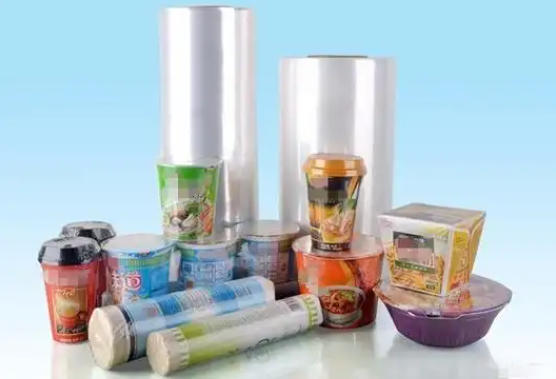
**Material Differences Hold the Key**
POF employs a three-layer co-extruded polyolefin composite process, with an LLDPE core layer enhancing flexibility and a copolymerized polypropylene surface layer ensuring high transparency. PVC is made from polyvinyl chloride with plasticizers, releasing toxic gases when burned. These material differences make POF more eco-friendly, with the EU gradually restricting PVC use.
**Performance Showdown**
POF boasts a shrinkage rate of 60%-80%, far exceeding PVC is 30%-50%, enabling tight conformity to irregular shapes. It remains flexible at -50¡ãC, outperforming brittle PVC. While POF offers superior tear resistance for better protection, PVC excels in print precision, maintaining its role in bottle labeling.
**Cost Considerations**
PVC raw material costs 30% less, but POF is ultra-thin 0.012mm thickness reduces material usage. POF packaging reaches 120 items per minute without sticking issues, whereas PVC jams machines, requiring manual fixes. Waste disposal favors POF, with 30% recyclability, while PVC incurs higher hidden costs due to specialized incineration needs.
**Application Nuances**
Food and medical sectors mandate food-grade POF for its tolerance of 50¡ãC-90¡ãC temperature swings. Electronics packaging still relies on anti-static PVC, while low-demand items like household chemicals may use PVC. PVC is banned for oily foods to avoid plasticizer migration.
**Sustainability Shapes the Future**
Japan¡¯s POF adoption drives 40% annual order growth; Germany has introduced bio-based POF with 30% plant content. By 2027, new regulations will require shrink films to exceed 30% biodegradability, phasing out traditional PVC unless it transitions to plasticizer-free tech.
**Conclusion**
POF is the top choice for food/medical packaging, irregular shapes, and long-term storage, while specialized PVC suits ultra-high-shrink labels or temporary use. Packaging selection reflects not just functionality but also a brand is environmental responsibility and health commitment.
|
 yancy@jiuzifilm.com
 +86 180 5605 8727(Same number on WhatsApp)